Introduction
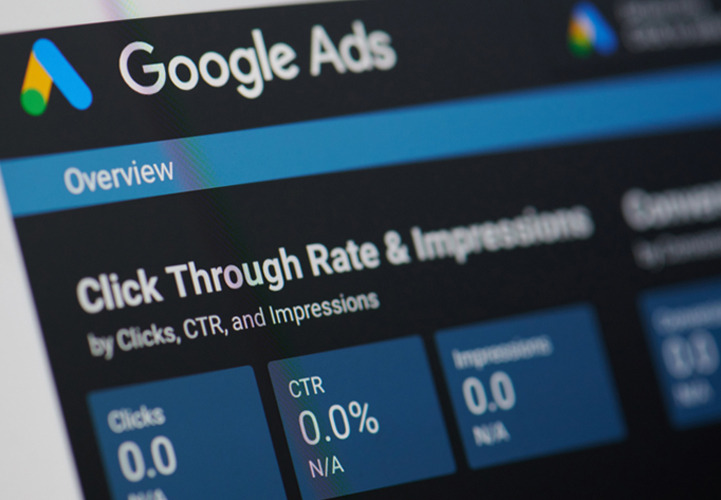
As digital marketing continues to evolve in 2025, Artificial Intelligence (AI) has become a cornerstone of Google Ads’ capabilities. The integration of AI allows businesses to streamline campaign management, optimise ad creatives, and improve targeting efficiency. Advertisers can now create campaigns that are not only more relevant to their target audience but also perform better, all while reducing the manual effort typically required. Google Ads, one of the most powerful platforms for online marketing, has introduced a plethora of new AI tools in recent years. This revolution has enabled advertisers to better connect with customers and increase ROI by automating repetitive tasks.
In 2025, AI is no longer a futuristic concept but a real-world application, constantly improving campaign results through machine learning and automation. In this comprehensive guide, we’ll delve into how AI is shaping Google Ads and what businesses need to know to leverage these technologies effectively.
What is AI in Google Ads?

Artificial Intelligence in Google Ads refers to the use of machine learning algorithms to automate and optimise various aspects of the advertising process. AI has the capability to enhance the way campaigns are structured, ads are created, and results are measured. Over the years, Google has integrated AI more deeply into its advertising ecosystem, making it possible to run highly effective campaigns with minimal human intervention.
In the context of Google Ads, AI enables:
- Enhanced targeting: AI analyses vast amounts of data to identify patterns and trends, helping to predict user behaviour and optimise ad targeting.
- Bidding optimisation: AI automates bid strategies to maximise conversions while adhering to specific business objectives like Cost Per Acquisition (CPA) or Return on Ad Spend (ROAS).
- Ad creative generation: AI tools can now automatically create high-quality ad copy and visuals tailored to the target audience’s preferences.
By 2025, Google Ads has integrated even more sophisticated AI tools to handle everything from automatic audience targeting to real-time campaign optimisation. AI in Google Ads is now designed to not only improve the effectiveness of campaigns but also to streamline workflows and improve user experiences.
The Rise of Generative AI in Google Ads

Generative AI has become one of the most transformative innovations in digital marketing. In 2025, Google Ads leverages generative AI tools to automatically generate ad copy, images, and videos that are uniquely tailored to each campaign. Using vast data sets, AI generates content that resonates with audiences by predicting their preferences, needs, and behaviours.
Generative AI relies on advanced neural networks that are trained to understand language, design, and context. These networks can create text, images, and even videos that match the tone and style of a brand, ensuring high relevance and engagement. The use of AI in ad generation eliminates the need for advertisers to manually create hundreds of ad variations. This tool also allows for the rapid testing of different ad formats, headlines, and visuals to determine the best-performing combinations.
As generative AI technology improves, advertisers can expect even greater automation of creative processes, reducing the time and effort required for ad creation.
Key Benefits of Generative AI for Google Ads in 2025:
- Efficiency: Quickly generate multiple versions of ad copy and visuals without additional human intervention.
- Personalisation: Automatically create personalised ad content that resonates with specific audience segments.
- Scale: Generate content in bulk for large campaigns, making it easier to test various creative approaches.
Key Features of AI-Powered Google Ads
In 2025, Google Ads offers several features that integrate AI into different aspects of campaign management, from bidding strategies to creative generation. Let’s take a deeper look at the key AI-powered features that advertisers should take advantage of.
AI in Campaign Optimisation
One of the most powerful ways AI is used in Google Ads is through campaign optimisation. AI can automatically adjust bidding strategies, optimise ad placement, and manage budget allocation. As AI learns from past performance, it adapts in real-time to improve the results of campaigns.
AI-powered bidding strategies now allow advertisers to set specific objectives, such as maximising conversions, achieving a particular ROAS, or increasing brand awareness. Google’s machine learning algorithms then continuously analyse campaign data and adjust the bids to achieve the best possible results for each goal.
Performance Max Campaigns
Performance Max campaigns are an AI-driven feature within Google Ads that automates the process of managing ads across multiple Google platforms, including YouTube, Gmail, Search, Display, and more. Performance Max uses machine learning to optimise every aspect of the campaign, from bid strategy to creative allocation.
By automating the distribution of the ad budget across various channels, advertisers can achieve better results with minimal manual effort. The AI continuously learns from user interactions to enhance ad performance in real-time.
How AI Improves Ad Creative and Relevance

Creating relevant and engaging ads has always been one of the most challenging aspects of online advertising. However, with the advent of AI tools in Google Ads, creating high-performance ads has become much simpler. AI’s role in improving ad relevance is two-fold: generating creative content and optimising ad targeting.
Google Ads Generative AI Tools
Generative AI tools within Google Ads can produce ad copy and visuals based on user preferences and browsing history. These tools analyse information from your landing pages and automatically generate targeted ad creatives designed to match user intent. This is particularly useful for advertisers who need to create high volumes of ads or target multiple regions and languages.
AI for Ad Copy Creation
AI-driven ad copy creation tools enable advertisers to generate compelling headlines and descriptions based on the content of their websites and landing pages. With AI, businesses no longer need to manually craft each piece of ad copy. The AI generates variations of ad text, selects the best-performing combinations, and automatically adapts the copy to align with the audience’s interests and search behaviour.
Expanding Google Ads AI to More Languages
Google Ads’ AI expansion to more languages has revolutionised international marketing. Advertisers can now easily manage campaigns across multiple countries and languages, thanks to the AI-powered tools that help with ad localisation. AI not only translates ads but also adjusts the tone and context to ensure the content resonates with local audiences.
The ability to target diverse geographical regions has opened new doors for advertisers looking to expand their reach globally. Whether you’re targeting customers in Asia, Europe, or Latin America, AI tools can automatically adjust your ad creatives to fit the cultural nuances and preferences of each region.
Case Study: International Expansion Using AI
A UK-based online retailer utilised Google Ads’ multilingual AI tools to launch campaigns in Germany and France. By automating the ad localisation process, the retailer achieved a 30% higher CTR compared to manually translated ads. The use of AI in targeting and creative generation enabled the retailer to optimise their campaigns effectively and reduce costs.
Google Ads Automation: A Game Changer for Advertisers
Automation in Google Ads allows advertisers to save time and improve efficiency. In 2025, AI automation tools can take care of everything from campaign creation to performance tracking. These tools help businesses achieve better results with less manual effort by automatically adjusting bids, targeting, and ad creatives based on real-time data.
The integration of automation in Google Ads has been a game-changer for small businesses and large enterprises alike. With automated bidding strategies, advertisers no longer need to micromanage their campaigns, which allows for more time to focus on strategy and business growth.
Benefits of AI-Driven Ads for Small Businesses
Small businesses in the UK can particularly benefit from AI-driven Google Ads. These businesses often have limited resources for digital marketing, and the ability to leverage AI tools can level the playing field against larger competitors. With AI, small businesses can automate key processes, such as ad copy creation, bidding, and audience targeting, allowing them to compete with bigger players without needing large marketing teams.
Statistics:
- Small businesses that used Google Ads automation tools saw a 25% increase in ad performance efficiency.
- 60% of small UK businesses reported improved ROI after integrating AI-driven bidding strategies into their campaigns
The Future of AI in Google Ads
The future of AI in Google Ads looks incredibly promising. As machine learning and artificial intelligence continue to evolve, we can expect more sophisticated tools that enable advertisers to further personalise their campaigns, predict customer behaviour, and optimise ads in real-time.
Some potential future advancements include:
- Predictive Analytics: AI could predict future trends and user behaviour more accurately, allowing advertisers to optimise campaigns proactively.
- Hyper-Personalisation: AI could create even more personalised ad experiences, based on a deeper understanding of individual consumer preferences.
- Advanced Video Ads: Expect more tools for creating dynamic, AI-generated video ads tailored to specific audience segments.
How to Leverage AI for Better Campaigns
To make the most out of AI in Google Ads, advertisers should:
- Embrace Automation: Take advantage of automated bidding strategies, ad creatives, and performance tracking to save time and improve results.
- Test and Optimise Continuously: Regularly monitor your campaigns, experiment with different AI tools, and optimise your strategies for better outcomes.
- Stay Informed: Keep up with Google Ads updates and new AI features to ensure you’re using the latest tools to improve your campaigns.
Conclusion
AI has transformed Google Ads into a more powerful and efficient tool for advertisers in 2025. From automated bidding to generative ad creative tools, AI enables businesses to streamline campaign management and achieve better results with minimal effort. As AI technology continues to advance, the potential for Google Ads will only increase, making it an essential platform for digital marketers in the UK and around the world.
To stay ahead in the competitive digital landscape, businesses must leverage the latest AI-powered tools in Google Ads and continually optimise their campaigns for maximum success. By embracing AI, marketers can not only improve campaign performance but also gain deeper insights into consumer behaviour and stay ahead of the curve in 2025 and beyond.